Most clients land on Croatia because of Dubrovnik, usually from a photo of the city walls or a cruise itinerary, and it's a fair starting point. The mistake is treating it as the whole trip. Split and the Dalmatian islands (Hvar, Korčula, Vis) are a short ferry hop north and give a completely different pace, and Istria in the far north, with Rovinj's old town and inland hill towns, feels closer to Tuscany than the Adriatic image most people arrive with. Plitvice Lakes, inland and roughly between Zagreb and the coast, is worth the detour for the terraced waterfalls alone, though it's a full day commitment either way.
July and August are when Dalmatia gets genuinely overloaded: Dubrovnik's Old City can feel like a theme park at midday once several cruise ships are in port, and Hvar Town's harbor is booked out weeks ahead. June and September give nearly the same warm, swimmable sea with a fraction of the crowds, and I steer almost every client toward those months if their dates are flexible. Istria and the continental interior around Zagreb run cooler and wetter through the shoulder seasons, so a trip that mixes coast and interior needs a bit more planning around what week goes where.
A route that works well for a first trip is Dubrovnik, then a ferry or short flight up to Split, a few nights island hopping from there, and Zagreb or Plitvice tacked onto either end depending on flight routing. Renting a car is genuinely useful for Istria and the interior, but skip it for the islands themselves; parking in the old walled towns ranges from difficult to banned outright, and the ferries are cheap and frequent enough that a car becomes a liability rather than a convenience once you're island hopping.
When to go, region by region
Typical monthly patterns based on long-run averages and how busy each season tends to get with visitors — treat it as a planning guide, not a forecast, and always check closer to your travel dates.
Dalmatia: Split, Dubrovnik & the islands
Jan
12°/6°
75mm
Feb
13°/6°
70mm
Mar
15°/8°
65mm
Apr
18°/11°
60mm
May
23°/15°
50mm
Jun
27°/19°
35mm
Jul
30°/22°
20mm
Aug
30°/22°
30mm
Sep
26°/18°
55mm
Oct
22°/14°
85mm
Nov
17°/10°
100mm
Dec
13°/7°
95mm
Jan
Feb
Mar
Apr
May
Jun
Jul
Aug
Sep
Oct
Nov
Dec
Istria & Kvarner Gulf
Jan
8°/2°
70mm
Feb
9°/2°
65mm
Mar
12°/4°
60mm
Apr
16°/8°
70mm
May
21°/12°
65mm
Jun
25°/16°
55mm
Jul
28°/18°
35mm
Aug
28°/18°
45mm
Sep
24°/15°
60mm
Oct
19°/11°
90mm
Nov
13°/7°
100mm
Dec
9°/4°
85mm
Jan
Feb
Mar
Apr
May
Jun
Jul
Aug
Sep
Oct
Nov
Dec
Zagreb & the continental interior
Jan
3°/-3°
50mm
Feb
6°/-1°
45mm
Mar
12°/3°
50mm
Apr
17°/7°
65mm
May
22°/12°
80mm
Jun
25°/15°
90mm
Jul
28°/17°
75mm
Aug
27°/16°
75mm
Sep
23°/12°
65mm
Oct
17°/8°
70mm
Nov
9°/3°
75mm
Dec
4°/-1°
65mm
Jan
Feb
Mar
Apr
May
Jun
Jul
Aug
Sep
Oct
Nov
Dec
Things worth building a trip around

Dubrovnik Old City & the city walls
A full mile of medieval fortifications encircling the old town, walkable in about two hours and giving the best rooftop and harbor views in the city, along with the marble streets made famous well beyond Croatia by film and television.
Walk the walls at opening time, right around sunrise in summer, both to beat the heat and to get ahead of the cruise ship crowds that fill the old town by mid-morning.
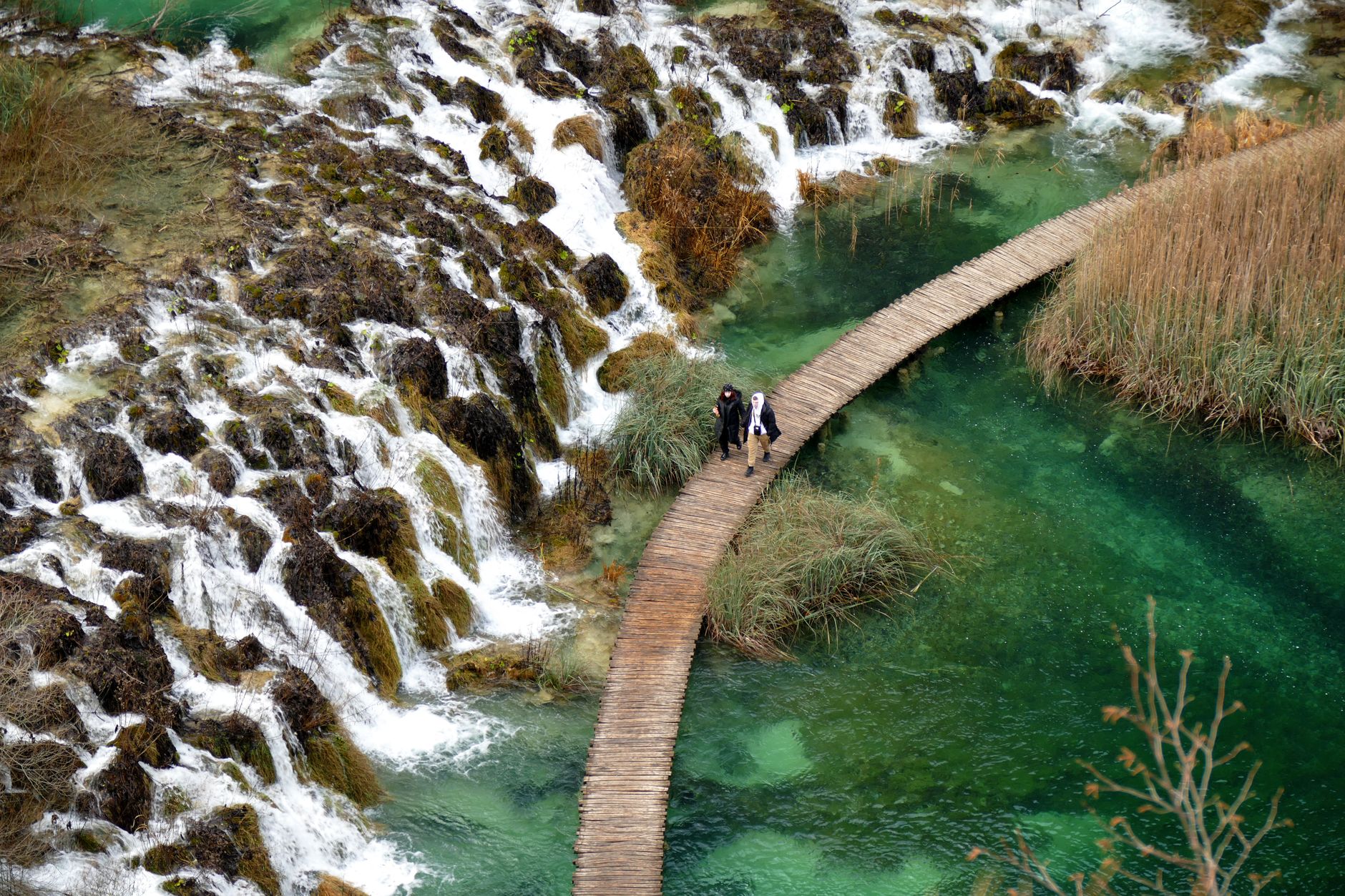
Plitvice Lakes National Park
Sixteen terraced lakes connected by waterfalls and wooden boardwalks, ranging from the vivid turquoise of summer to icebound stillness in winter, and one of the few Croatian sites that draws visitors just as much for the interior landscape as for the coast.
Budget a full day, not a half day tacked onto a transfer; the park is genuinely large and the boardwalks get crowded fast once tour buses arrive mid-morning.
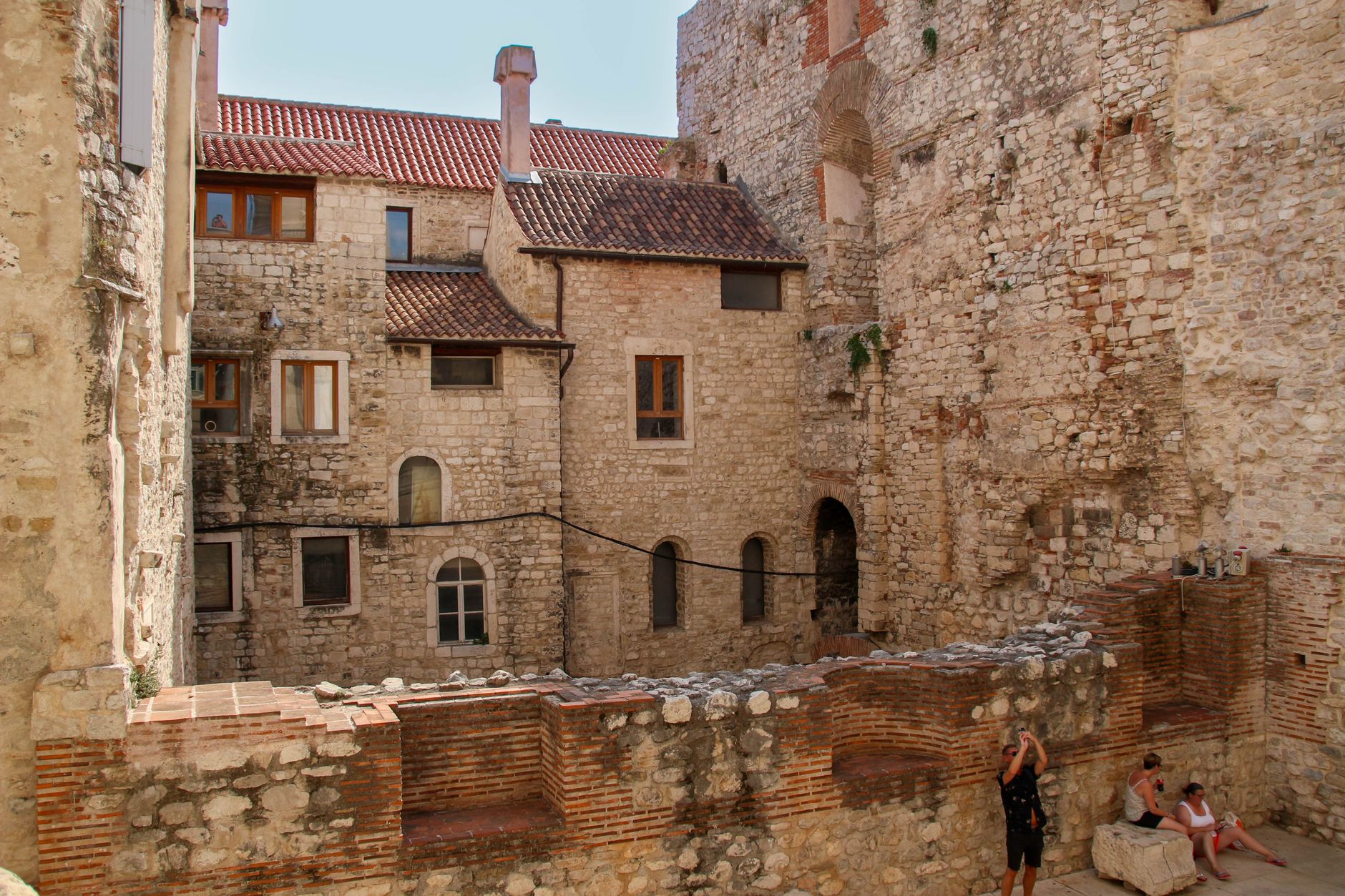
Split & Diocletian's Palace
A Roman emperor's retirement palace that gradually became the living heart of an entire city, with apartments, shops, and cafes now built directly into walls nearly 1,700 years old.
Split works well as the ferry hub for island hopping, so plan at least one night here on either end of a Hvar or Korčula itinerary rather than treating it as a pure day trip.

Hvar, Korčula & Dalmatian island hopping
A cluster of islands reachable by fast catamaran from Split, each with a distinct character: Hvar for lavender fields and nightlife, Korčula for a quieter walled old town and wine country, Vis for the least developed and most laid back of the group.
Book catamaran tickets a few days ahead in peak summer; the fast routes between islands sell out, and the slower car ferries add hours to a day that should be simple.

Rovinj & the Istrian peninsula
A former fishing town on a small peninsula, its pastel houses climbing toward a hilltop bell tower, surrounded by an inland region of hill towns, vineyards, and some of the best truffle and olive oil producers in the country.
Pair Rovinj with a day of inland driving to Motovun or Grožnjan; Istria rewards a rental car far more than Dalmatia does, since the hill towns have no ferry or rail access.

Krka National Park
A more compact, more swimmable alternative to Plitvice, an easy day trip from Split, where a section of the river beneath Skradinski Buk falls is open for visitors to swim in during the warmer months.
Confirm swimming is open for the season before promising it to a client; the designated swimming area near the main falls closes some years for conservation reasons.
Thinking about Croatia?
Tell me a little about the trip you're dreaming of, and I'll be in touch to help bring it to life.
Request a Callback