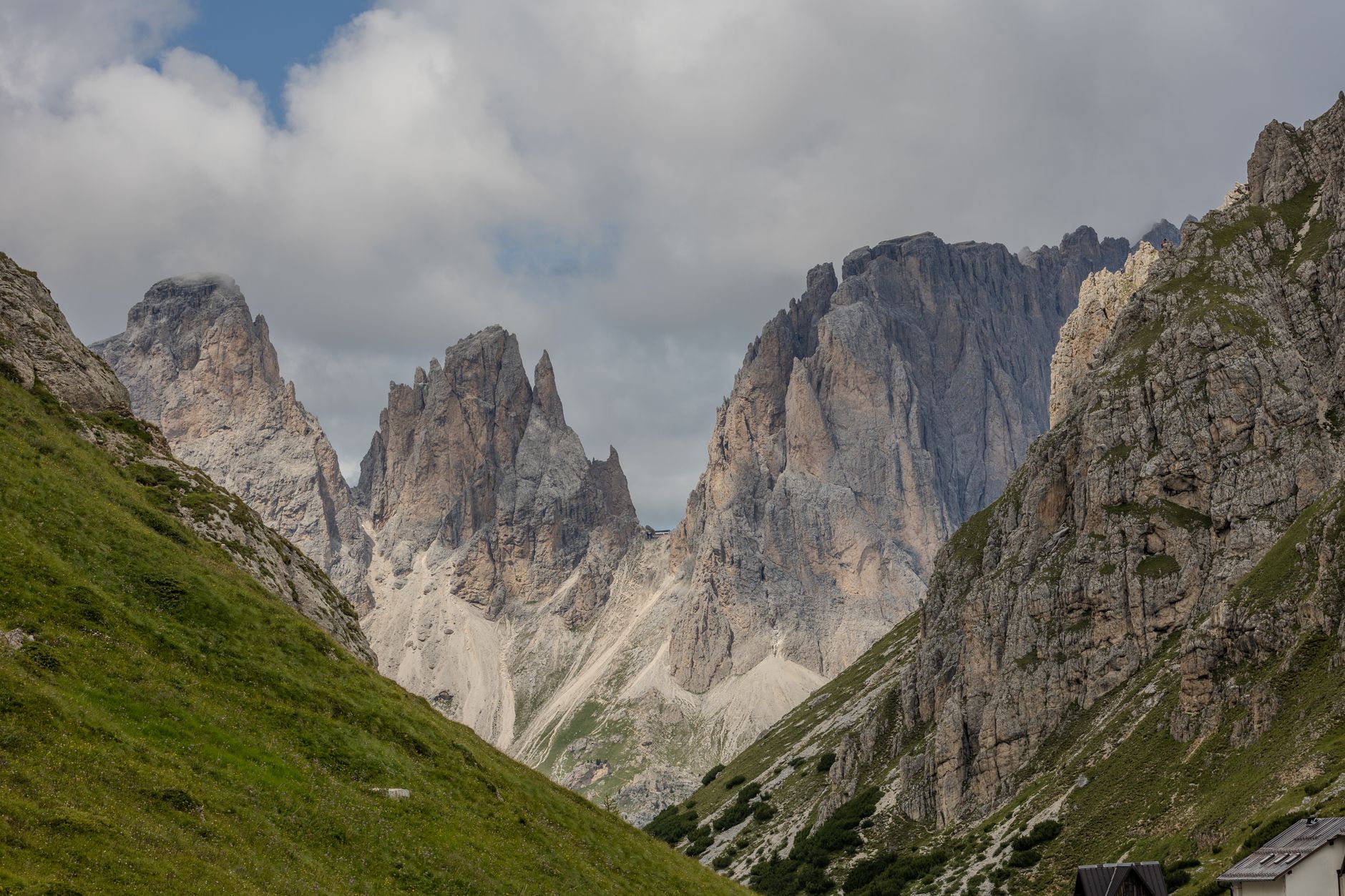
The Dolomites get sold internationally as a scenic drive — the Great Dolomites Road, Passo Giau, Passo Falzarego — and that's a genuinely beautiful few days. But the region was built for walking long before it had roads through it: a network of rifugios (staffed mountain huts, most serving a hot meal and a bed) makes multi-day hut-to-hut hiking realistic for a reasonably fit traveller in a way it isn't in most mountain ranges. Clients who only drive the passes see the Dolomites from the outside; clients who walk even one hut-to-hut leg tend to say it's the best two days of the trip.
The other thing to plan around deliberately is that this is two seasons wearing one name. Ski season runs December to March, centred on Cortina d'Ampezzo and Val Gardena — Cortina co-hosted the 2026 Winter Olympics alongside Milan, which has pushed lift and lodging investment further into the area. Hiking season runs June to September, and the rifugios themselves dictate the calendar: most don't open until mid-June and close again in the first half of October, regardless of what the weather's doing.
If a client wants photos of the classic green meadows and jagged grey peaks together, that's a narrower window than people expect — the high alpine meadows are still patchy with snow into May some years, and by late October they're brown and the huts are shut. September is the month I steer people toward: the crowds of July and August have thinned, the weather is usually still stable, and the light is better for photography than the harsher midday summer sun.
When to go, region by region
Typical monthly patterns based on long-run averages and how busy each season tends to get with visitors — treat it as a planning guide, not a forecast, and always check closer to your travel dates.
The Dolomites (Cortina d’Ampezzo, Val Gardena, Alta Badia)
Jan
3°/-7°
50mm
Feb
5°/-6°
45mm
Mar
8°/-3°
50mm
Apr
13°/2°
70mm
May
17°/6°
90mm
Jun
21°/10°
110mm
Jul
23°/12°
100mm
Aug
23°/12°
95mm
Sep
19°/9°
80mm
Oct
13°/4°
75mm
Nov
7°/-1°
65mm
Dec
3°/-6°
55mm
Jan
Feb
Mar
Apr
May
Jun
Jul
Aug
Sep
Oct
Nov
Dec
Things worth building a trip around

Tre Cime di Lavaredo
Three near-vertical peaks that are the single most photographed formation in the range, ringed by a loop trail that takes most walkers 3–4 hours without needing technical climbing experience.
Arrive before 9am or after 4pm in July/August — the car park at Rifugio Auronzo fills and closes to further cars on peak summer days.

Lago di Braies
A turquoise glacial lake backed by cliff faces, small enough to walk around in under an hour, and now popular enough that the road in gets closed to private cars for much of the summer.
Book the shuttle bus or a pre-8am arrival slot in summer — this is the one Dolomites stop where crowd management genuinely changes the plan, not just the experience.

Alpe di Siusi (Seiser Alm)
Europe's largest high-altitude alpine meadow, a rolling plateau of grazing pasture with the jagged Sassolungo massif as a backdrop — as much a place to walk gently as to hike hard.
Drive-in access is restricted in summer daytime hours; take the cable car from Ortisei or Siusi instead, which is faster than queuing for one of the limited resident/hotel guest car passes anyway.
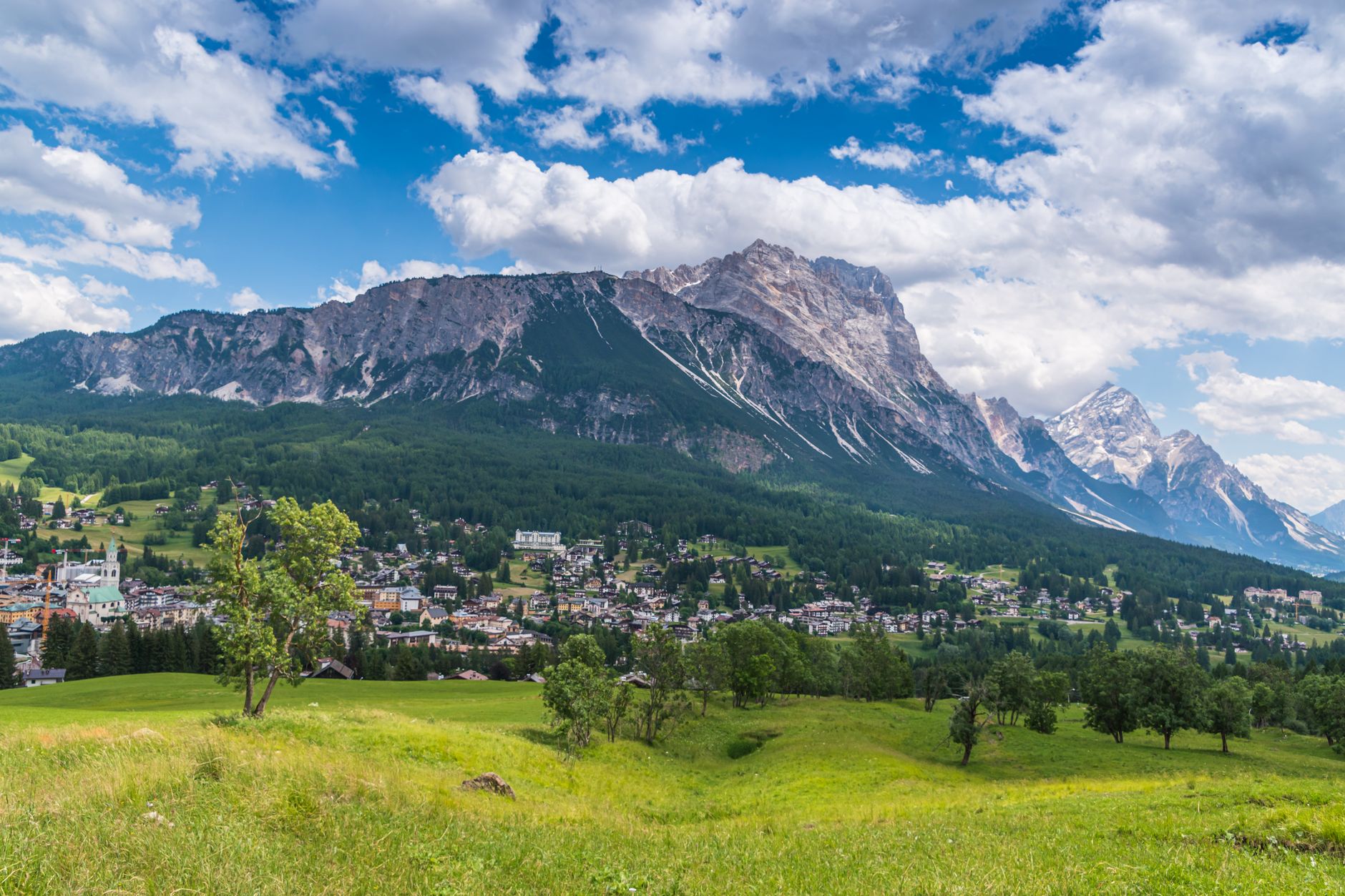
Cortina d'Ampezzo
The social and logistical hub of the eastern Dolomites — a ski town in winter, a hiking base in summer, and generally the easiest place to build an itinerary around if a client only wants one home base.
Book accommodation early for the Christmas/New Year and February school-holiday weeks — those two windows sell out well before the rest of ski season.

Passo Giau & the Great Dolomites Road
A switchbacking mountain pass road connecting Cortina to the rest of the range, with a rifugio at the summit and some of the most photographed hairpin-bend views in the Alps.
Warn clients prone to motion sickness before this drive — it's genuinely dozens of consecutive hairpins, and the passenger seat is worse than driving.
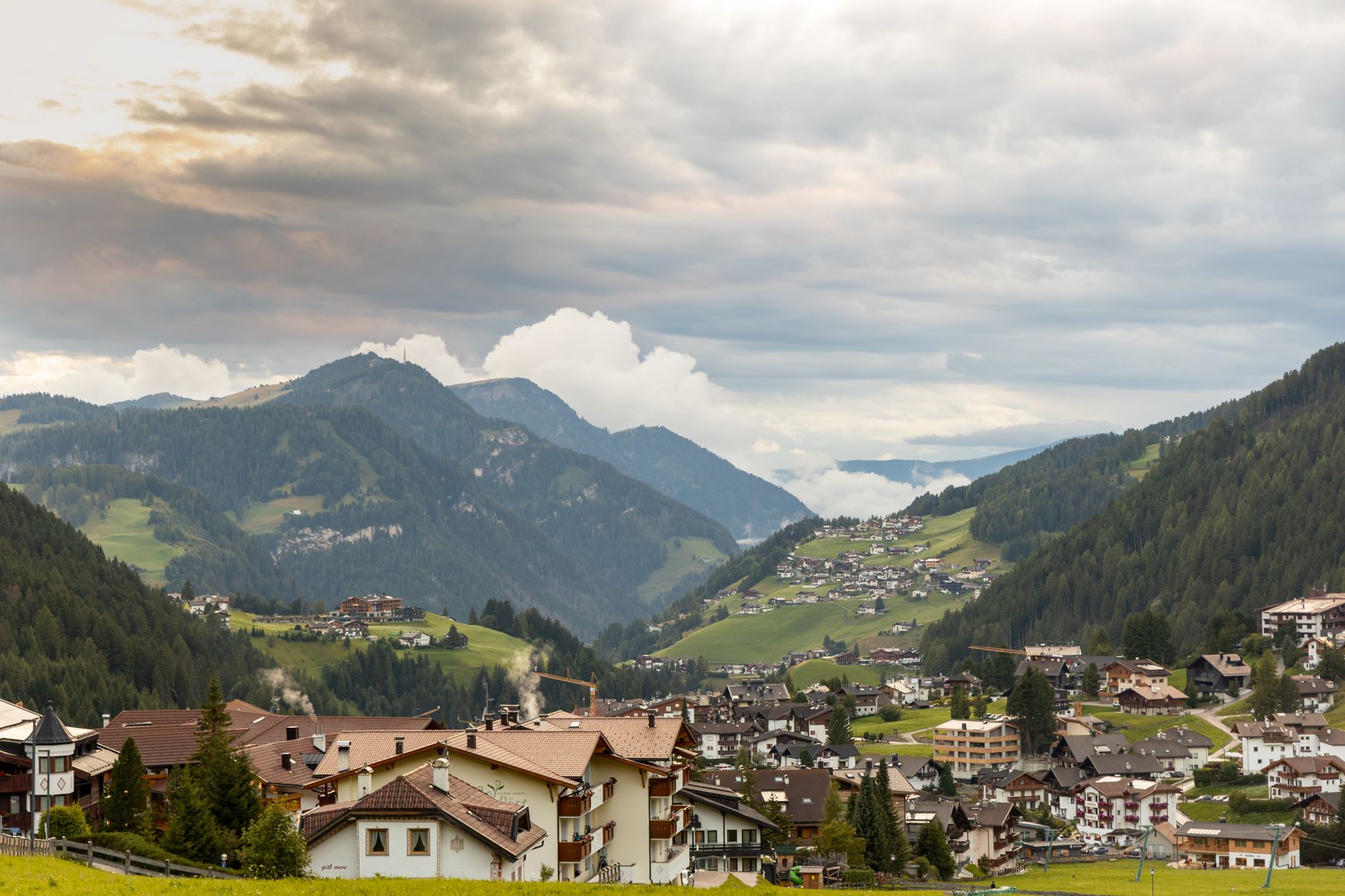
Val Gardena
A trio of villages — Ortisei, Santa Cristina, Selva — that form one of the best-connected ski and hiking bases in the Dolomites, and one of the last places where Ladin, the region’s own language, is still in daily use.
A multi-day Sella Ronda circuit (skiing in winter, via cable car and trail in summer) around the four surrounding passes is the single best orientation to the wider range.
Thinking about The Dolomites?
Tell me a little about the trip you're dreaming of, and I'll be in touch to help bring it to life.
Request a Callback