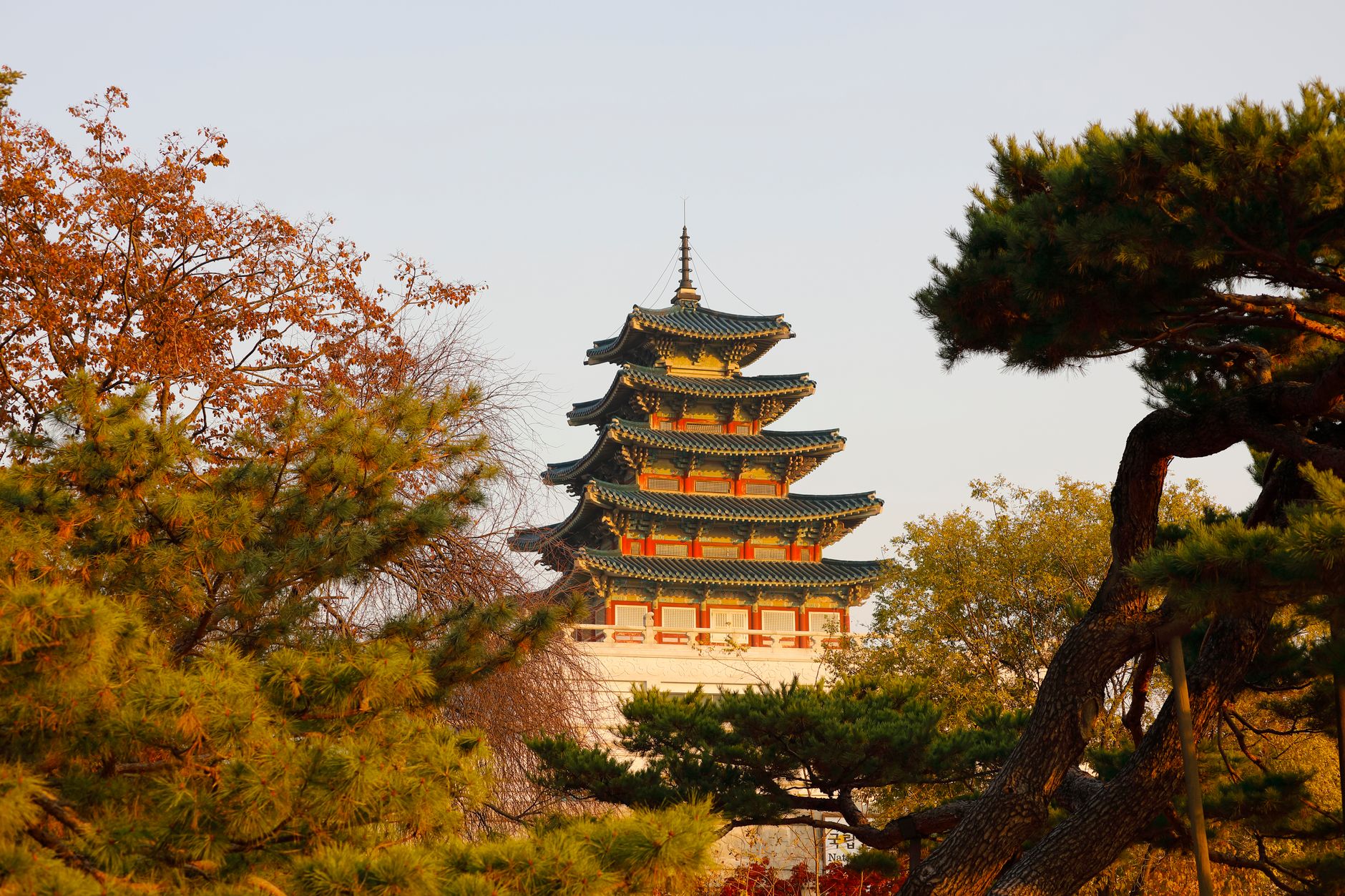
Almost every client starts with Seoul, usually driven by K-pop, K-drama, or the food scene, and Seoul alone can fill four or five days without effort between the palaces, the markets, and the neighborhoods. What surprises most people is how easy it is to add on: the KTX high-speed rail gets you to Busan on the southeast coast in under three hours, and Jeju Island, a subtropical volcanic island off the south coast, is a short domestic flight away. A trip built around Seoul, Gyeongju's ancient temple sites, Busan's beaches and markets, and a couple of days on Jeju covers a genuinely different side of the country each time, without complicated logistics.
Spring cherry blossoms (late March into early April) and autumn foliage (late October into November) are the two windows almost every client wants, and both book out hotel rooms and popular temples well in advance. Summer brings the jangma monsoon season through July, with heavy, humid rain across the whole peninsula, and August adds serious heat on top of it; it's workable, just not what most people picture. Winter is cold and dry in Seoul, genuinely appealing for clients wanting the ski resorts near Pyeongchang or a quieter, less crowded palace visit, and considerably milder down on Jeju.
The KTX makes a multi-city itinerary far simpler to plan than the distances suggest; Seoul to Busan is a same-day trip if needed, though I usually recommend at least two nights in each stop to avoid it feeling rushed. Jeju requires a short flight rather than the train, and its own rental car is worth it there since the island's volcanic landscape and coastal drives are the main draw. Seoul itself is best handled on foot and by subway; a rental car in the capital is more hassle than it's worth given how good the transit system is.
When to go, region by region
Typical monthly patterns based on long-run averages and how busy each season tends to get with visitors — treat it as a planning guide, not a forecast, and always check closer to your travel dates.
Seoul & Gyeonggi
Jan
1°/-8°
21mm
Feb
4°/-5°
24mm
Mar
10°/0°
38mm
Apr
17°/6°
77mm
May
22°/12°
102mm
Jun
27°/18°
133mm
Jul
29°/22°
376mm
Aug
30°/23°
293mm
Sep
26°/17°
168mm
Oct
19°/9°
51mm
Nov
11°/2°
51mm
Dec
3°/-5°
24mm
Jan
Feb
Mar
Apr
May
Jun
Jul
Aug
Sep
Oct
Nov
Dec
Busan & the southeast coast
Jan
8°/0°
33mm
Feb
10°/2°
42mm
Mar
14°/6°
62mm
Apr
18°/11°
130mm
May
22°/15°
130mm
Jun
25°/19°
187mm
Jul
28°/23°
258mm
Aug
30°/24°
158mm
Sep
26°/20°
158mm
Oct
22°/13°
60mm
Nov
15°/6°
48mm
Dec
10°/1°
33mm
Jan
Feb
Mar
Apr
May
Jun
Jul
Aug
Sep
Oct
Nov
Dec
Jeju Island
Jan
8°/1°
63mm
Feb
10°/2°
58mm
Mar
13°/5°
80mm
Apr
18°/10°
110mm
May
21°/14°
100mm
Jun
25°/18°
180mm
Jul
29°/23°
240mm
Aug
30°/24°
230mm
Sep
27°/20°
190mm
Oct
22°/14°
90mm
Nov
16°/9°
70mm
Dec
11°/4°
63mm
Jan
Feb
Mar
Apr
May
Jun
Jul
Aug
Sep
Oct
Nov
Dec
Things worth building a trip around
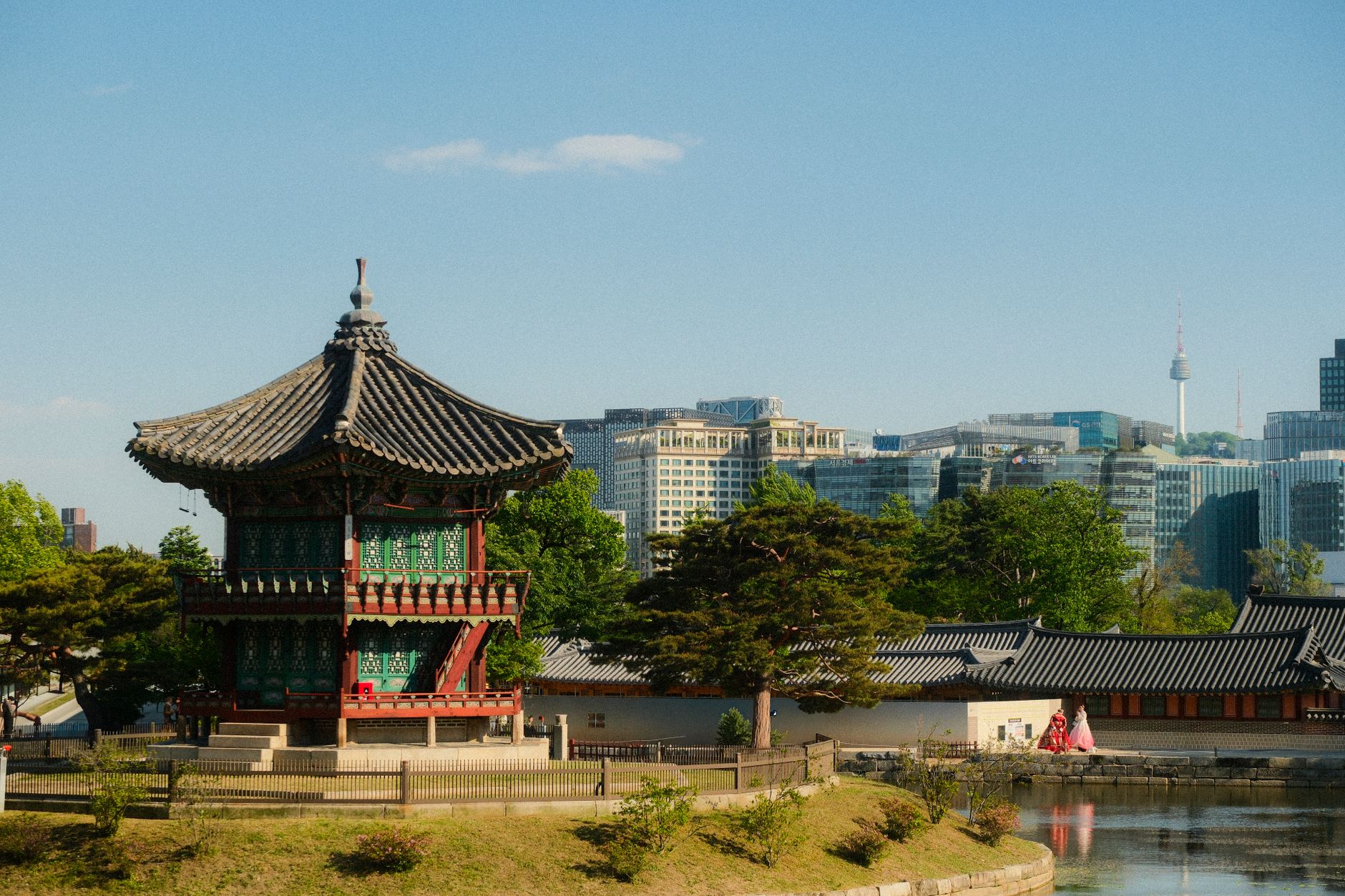
Gyeongbokgung Palace & Bukchon Hanok Village, Seoul
Seoul's largest and grandest royal palace, backed by mountains and fronted by a changing-of-the-guard ceremony, a short walk from Bukchon's hillside lanes of traditional hanok houses that have somehow survived in the middle of a modern capital.
Rent a hanbok for the day; visitors wearing traditional dress get free entry to the palace, and it makes for the photos most clients actually want.

DMZ (Demilitarized Zone) day trip
A tense, closely managed day trip north of Seoul into the buffer zone between North and South Korea, including the Joint Security Area or the third infiltration tunnel depending on the tour, and one of the more memorable half days a client can spend anywhere in Asia.
Passports must be carried and booked in advance for JSA access; some tours are cancelled at short notice for security reasons, so build in flexibility rather than scheduling it on the last possible day.

Jeju's volcanic landscape
Hallasan, a dormant shield volcano and the tallest peak in South Korea, along with Seongsan Ilchulbong, a dramatic tuff cone rising straight from the sea, give Jeju a completely different look and pace from mainland Korea.
A rental car is genuinely worth it on Jeju, unlike the mainland; the coastal drives and inland trailheads are spread out and public transit is limited compared to Seoul or Busan.

Busan beaches & markets
Haeundae Beach, the colorful hillside houses of Gamcheon Culture Village, and Jagalchi Fish Market's rows of live seafood give Busan a beach-city energy that contrasts sharply with Seoul's density.
Book beachfront hotels well ahead for July and August; Haeundae is the most popular domestic summer destination for Koreans themselves, not just visitors.
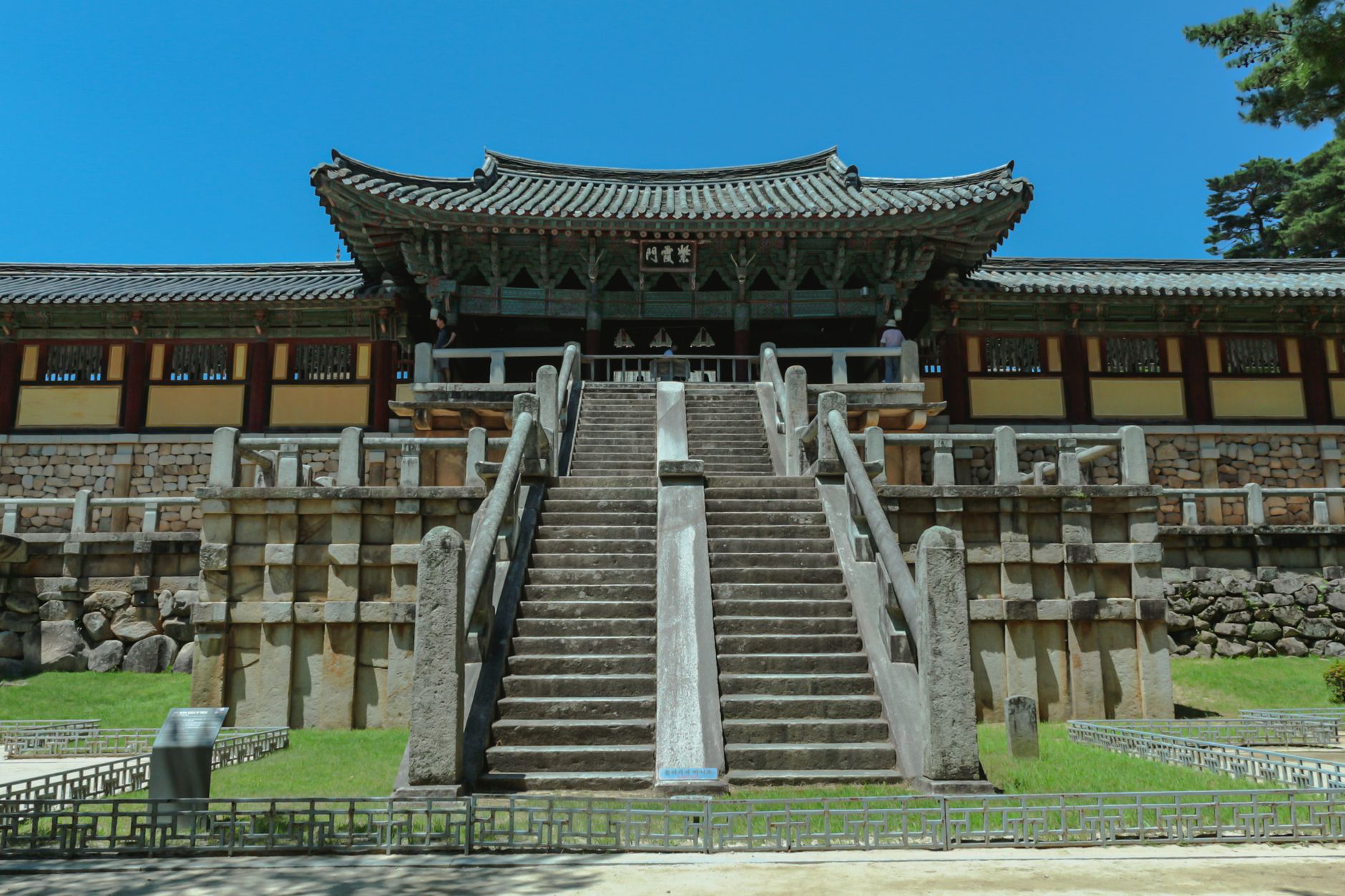
Gyeongju historic sites
The former capital of the Silla dynasty, often described as a museum without walls, with royal burial mounds, Bulguksa Temple, and the Seokguram Grotto's carved Buddha all within a compact, easy-to-cover area.
Pair Gyeongju with Busan rather than Seoul; it's a short train or bus ride from Busan and awkward to reach as a day trip from the capital.
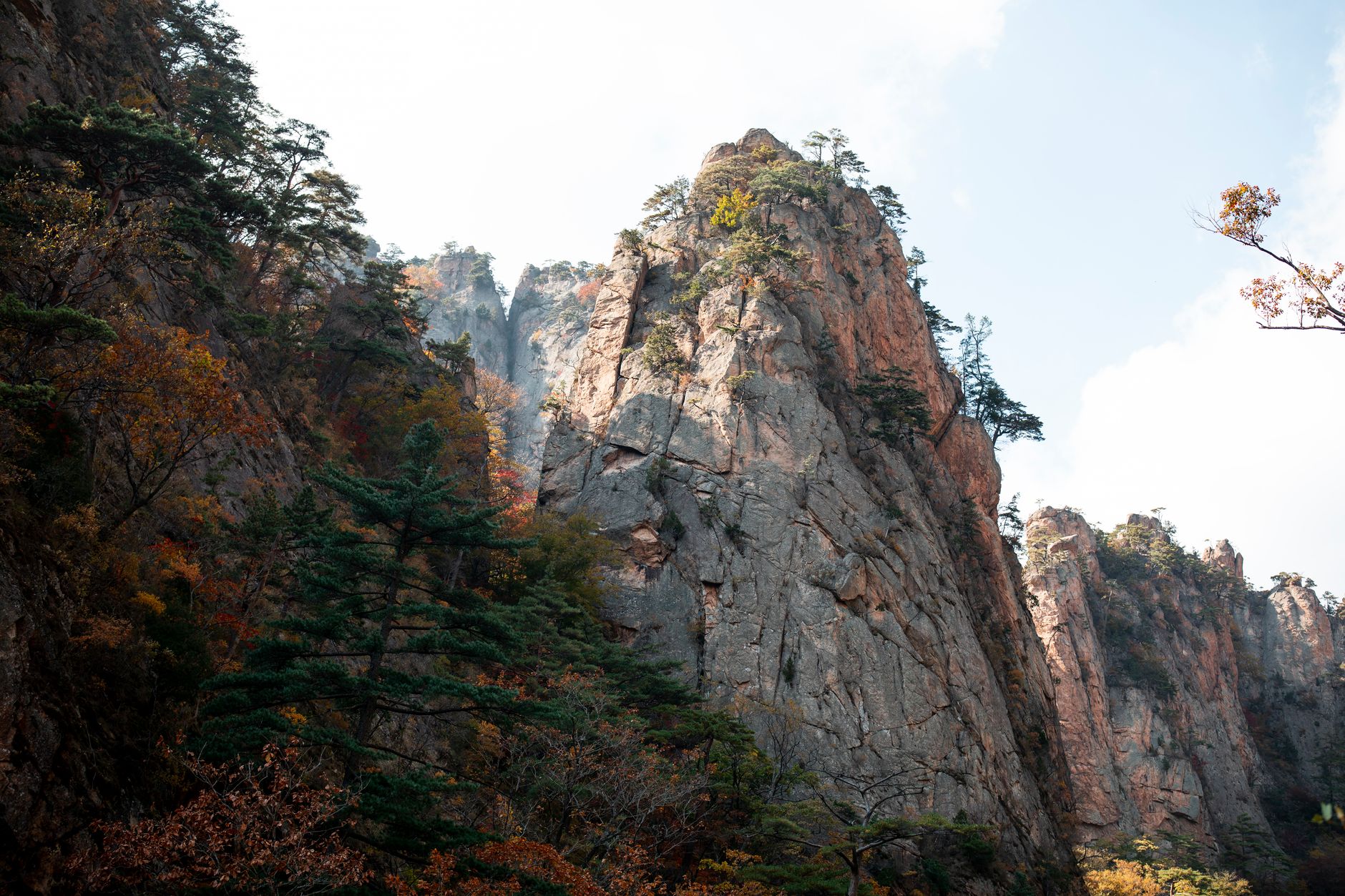
Seoraksan National Park
A mountain range near the northeast coast known for some of the country's best hiking and, in late October, foliage that draws crowds nearly as large as the cherry blossoms do in spring.
Book accommodation in the nearby town of Sokcho months ahead for peak foliage weeks; rooms sell out earlier here than almost anywhere else in the country.
Thinking about South Korea?
Tell me a little about the trip you're dreaming of, and I'll be in touch to help bring it to life.
Request a Callback